
The short answer
Check your airline’s size limit first (often around 22 × 14 × 9 in or 56 × 36 × 23 cm), then choose a light spinner with quiet wheels and a warranty that covers them.
The wrong carry-on costs you baggage fees and back pain. The right one makes every trip simpler.
How to choose, step by step
- Check your airline’s limits. A common carry-on limit is around 22 × 14 × 9 inches (56 × 36 × 23 cm), but budget airlines are often stricter. Check your carrier before you buy.
- Decide hard or soft shell. Hard shells protect fragile items and shed rain. Soft shells squeeze into tight spaces and often have handy outside pockets.
- Choose your wheels. Four spinner wheels glide beside you or ahead of you. Two-wheel designs are simpler and sturdy on rough ground.
- Weigh it empty. The lighter the case, the more of your own weight allowance you keep for clothes and gear.
- Inspect zippers, handle and warranty. Wheels and handles are the usual failure points. A warranty that covers them is worth more than an extra pocket.
Quick checklist
- Fits my airline’s carry-on size
- Hard or soft shell chosen
- Quiet, recessed wheels
- Light empty weight
- Warranty covers wheels and handle
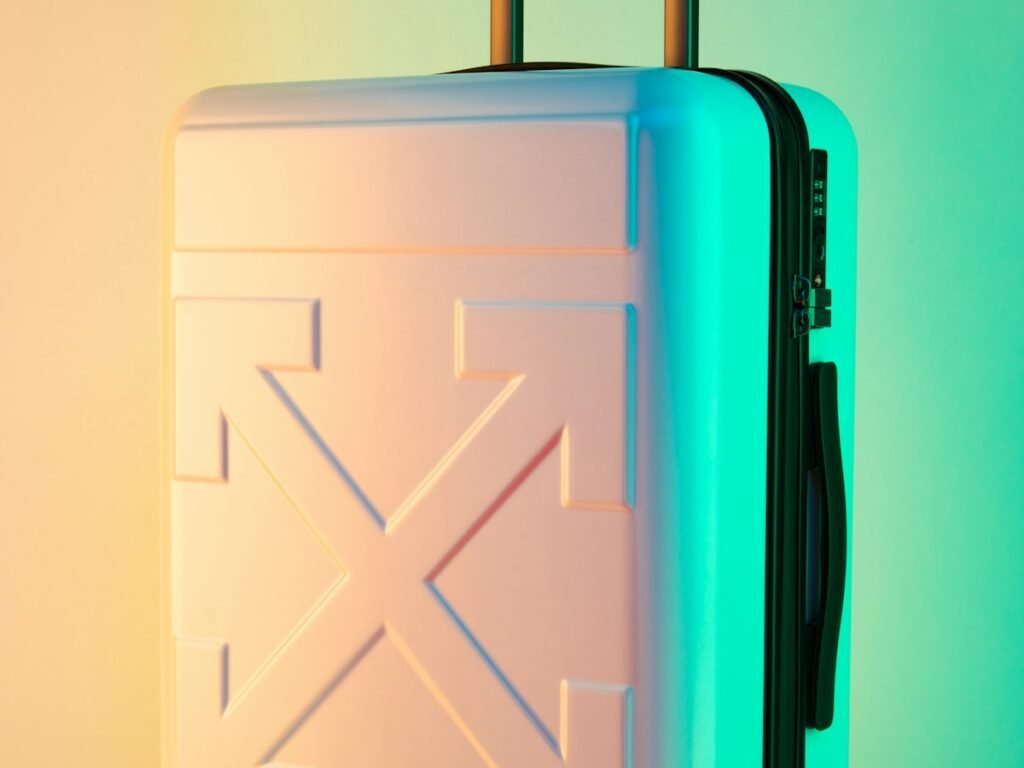
The product we would pick
Frequently asked questions
Can I bring a bigger bag if it fits the overhead bin?
Airlines apply their own limits, so a bag that fits may still be refused. Follow your airline’s stated size and weight rules.
Are expensive suitcases worth it?
Often the extra money buys stronger wheels, zippers and warranties. If you fly rarely, a mid-range bag is usually enough.